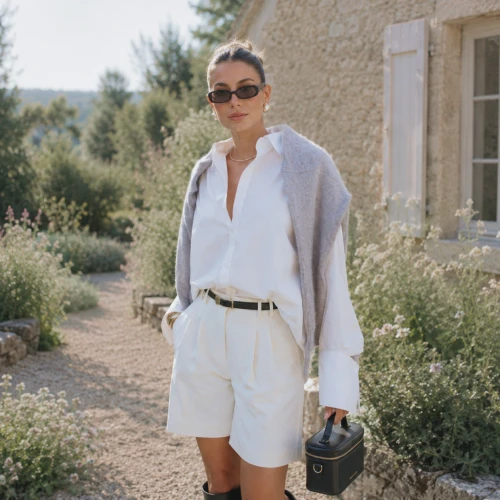
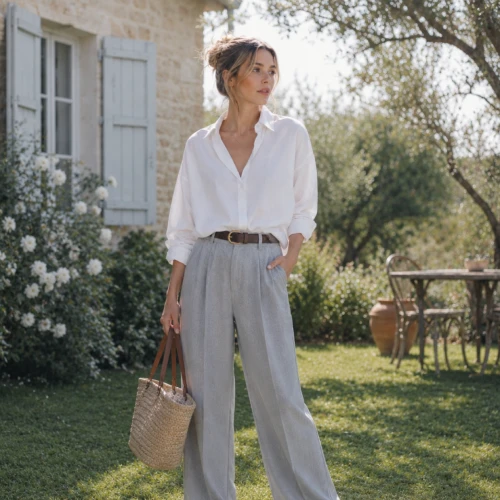
Visual Balance Method thinking helps explain why an outfit almost works but still feels off. Every piece may be beautiful on its own. Together, the look may feel heavy, flat, loud, disconnected, or unfinished. Random fixes can make the problem worse. You add a belt, change shoes, swap earrings, or grab a jacket without knowing what needs adjustment. A clearer method gives the eye an order of operations. It checks focal point, line, contrast, shape, and visual weight. Once you can name the imbalance, you can fix it faster. Style becomes less mysterious and more practical.
Why Visual Balance Method Starts With Distance
The full-length view reveals what close-up styling can hide. A beautiful necklace may not help if the bottom half carries too much visual weight. A dramatic shoe may disrupt a delicate outfit. A practical outfit diagnosis starts from distance, then moves closer. Ask where the eye lands first. Ask whether that landing point is intentional. Visual Balance Method decisions become clearer when the outfit is treated as a complete composition. Every color, line, shape, texture, and accessory affects the whole picture.
Choosing an Outfit Focal Point
A focal point gives the outfit direction. It may be a neckline, jacket, shoe, bag, color, waist detail, sleeve shape, or jewelry moment. Without one, details compete. With too many, the outfit becomes busy. A clear outfit focal point helps you decide what to quiet. If the dress carries volume, accessories may need restraint. If the bag is the statement, repeated tones can support it. Visual Balance Method styling works when the main detail receives enough space.
Visual Balance Method Through Line and Direction
Lines guide the eye. Vertical seams can lengthen. Horizontal breaks can stop attention. Diagonal elements can create movement. Repeated lines can make an outfit cohesive or cluttered. A useful line and direction check looks at hems, seams, belts, straps, necklines, shoes, and bag placement. Visual Balance Method work asks whether the lines support the intended effect. If the outfit feels chopped, reduce hard breaks. If it feels shapeless, add definition. Lines quietly control how the outfit reads.
Balancing Color, Contrast, and Weight
Color contrast can connect or interrupt an outfit. A high-contrast shoe may look intentional when repeated elsewhere. Without repetition, it may feel stranded. Visual weight includes darkness, size, shine, texture, structure, and placement. A chunky boot carries more weight than a slim sandal. A dark jacket carries more weight than a pale blouse. Color contrast balance helps the eye move smoothly. Balance outfit proportions by distributing weight with intention. The goal is not symmetry. It is visual agreement.
Visual Balance Method for Shape and Volume
Shape and volume decide whether the outfit feels intentional. A full skirt may need a closer top. A wide trouser may need a defined shoulder or waist. An oversized sweater may need a sleeker bottom. Shape and volume should create relationship, not competition. Visual Balance Method styling looks at where volume starts and stops. It also checks whether accessories act as counterweight. One structured bag can stabilize softness. One narrow shoe can lighten a heavy hem. Balance often comes from one precise correction.
Using Visual Balance Method Before Leaving Home
A sixty-second review can improve most outfits. Step back. Identify the focal point. Check the lines. Read the contrast. Notice visual weight. Decide what to remove, repeat, or adjust. Use composed outfit styling as a final pass. Visual Balance Method practice becomes faster with repetition. You start seeing why something feels off before frustration builds. The result is not perfection. It is a reliable way to make outfits feel finished, balanced, and intentional.