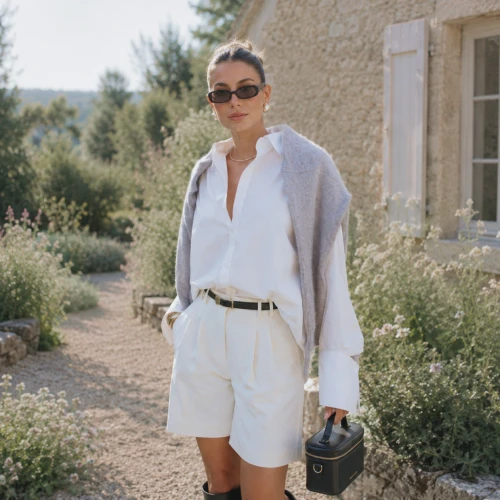
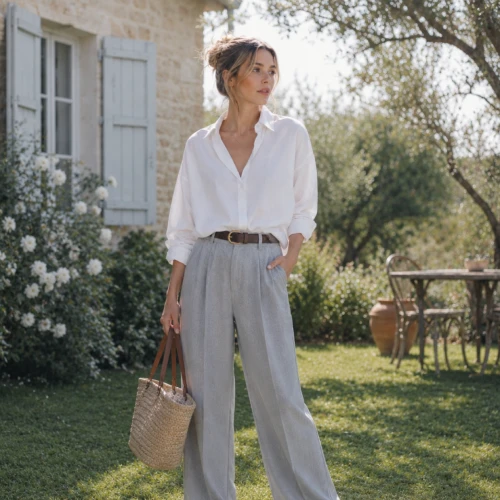
Cocktail Evening Style becomes easier when the outfit has a clear point of view. Many women understand casual dressing and formal dressing, but the middle can feel uncertain. A cocktail event asks for polish without the heaviness of black tie. An evening dinner may need refinement without drifting into nightlife. The difference often comes down to scale, fabric, shine, and restraint. Without a system, the dress, shoes, bag, and jewelry can all compete. A better approach chooses one focal point first. Then every detail supports it. The result feels festive, refined, and fully appropriate.
Why Cocktail Evening Style Starts With the Room
The room gives you more information than the dress code alone. A rooftop party, hotel dinner, charity event, and intimate restaurant celebration all ask for different levels of polish. A strong occasion outfit strategy reads location, time, host, season, and guest list together. This keeps the outfit from feeling too casual or too theatrical. Cocktail Evening Style should meet the room before it tries to impress it. When the setting is understood, fabric, silhouette, and accessories become easier to choose. Elegance begins with context.
Choosing One Focal Point Before Adding Shine
One focal point creates visual order. It may be a satin dress, sculptural earrings, metallic sandals, a velvet jacket, or a dramatic neckline. Strong festive outfit planning keeps that focal point in charge. If the dress shines, the bag can stay quieter. If the jewelry is bold, the neckline may need restraint. If the shoe carries the interest, the rest of the outfit should frame it. Cocktail Evening Style looks more expensive when the eye knows where to land. Too many competing details can make even beautiful pieces feel confused.
Cocktail Evening Style Through Fabric and Finish
Fabric makes the first impression before accessories appear. Satin, silk, crepe, lace, velvet, polished suiting, and fine knits can all move an outfit into evening territory. A practical refined occasion dressing approach balances texture with shine. Matte fabrics can make metallic accessories look deliberate. Soft gleam can elevate a simple silhouette. Heavy shine everywhere can quickly lose sophistication. Cocktail Evening Style succeeds when fabric and finish agree with the event. The goal is not maximum sparkle. The goal is controlled elevation.
Finishing the Look With Better Accessory Hierarchy
Accessories should complete the look, not rescue it. Start with the main piece and decide what support it needs. Evening accessories can add light, height, structure, contrast, or softness. They should not all perform the same job. A polished party outfit often improves when one accessory is removed. Look at the outfit from head to toe, not only in close-up. The shoe, bag, jewelry, hair, and outer layer should feel related. A clear hierarchy keeps the outfit intentional. Restraint is often what makes evening dressing look confident.
Cocktail Evening Style That Stays Comfortable All Night
Comfort matters because evening events involve movement. You may stand, sit, walk, greet people, eat, dance, and appear in photos. A beautiful outfit that needs constant adjustment can weaken confidence quickly. Use elegant evening looks as real-life systems, not static images. Test the shoes before the event. Sit in the outfit. Check the neckline, hem, straps, and bag. Cocktail Evening Style should let you participate in the night, not monitor your clothing through it.
Turning Cocktail Evening Style Into Repeatable Formulas
The best looks should not disappear after one event. Save successful combinations and turn them into evening outfit formulas. Note the focal point, fabric mood, shoe, bag, jewelry, and outer layer. Keep a small archive of cocktail outfit ideas for future invitations. Repeat the structure with a different fabric or accessory when the next event arrives. Cocktail Evening Style becomes less stressful when you are not starting from nothing. You are refining a formula that already works.