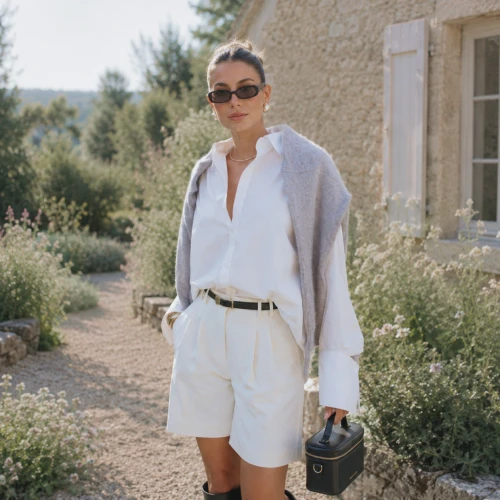
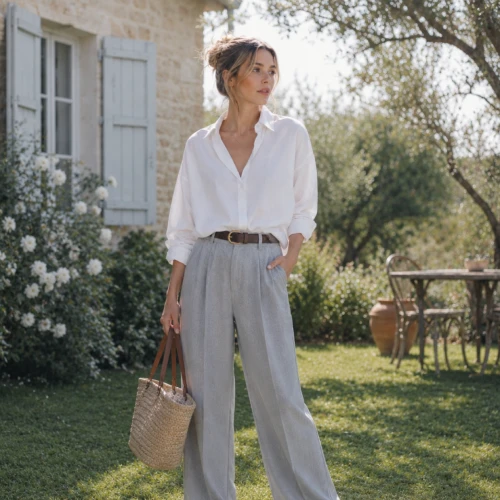
Smart Casual Style is difficult because the category depends on balance. Too relaxed, and the outfit reads like weekend errands. Too polished, and it feels overdressed for the room. The middle looks simple when someone else wears it, but it can feel slippery in your own closet. A knit, trouser, jacket, and shoe may all be good pieces and still miss together. The solution is not always buying more. It is learning which elements add ease and which elements add polish. When every piece has a role, smart casual becomes a repeatable language.
Why Smart Casual Style Needs a Clear Scale
A clear scale keeps the outfit from drifting too far. Place each item on a relaxed-to-polished line. Sneakers, soft denim, oversized knits, tees, and slouchy bags may pull casual. Blazers, trousers, loafers, silk, structure, and refined jewelry may pull polished. A useful weekly outfit scale lets you adjust before leaving. Smart Casual Style works when both sides are present. If everything is relaxed, add structure. If everything is formal, add softness. Balance is the dress code.
Building Reliable Smart Casual Formulas
Formulas make the middle ground easier to repeat. Try elevated basics with one structured layer. Try polished trousers with a relaxed knit. Try a casual dress with refined shoes and a clean bag. Strong smart casual formulas create dependable starting points. You can adjust color, fabric, and accessories by season. Smart Casual Style becomes less vague when the structure is already chosen. A formula does not remove personality. It gives personality somewhere to land. Dressing becomes faster because the balance has been practiced.
Smart Casual Style Through Texture and Shape
Texture helps casual pieces feel intentional. Ribbed knits, suede, brushed cotton, leather, linen blends, soft denim, and textured wool can add depth without stiffness. Structure brings polish through shape. A defined shoulder, crisp bag, clean trouser line, or tailored coat can sharpen the look. Use texture in outfits to keep polish from feeling corporate. Use structure to keep softness from feeling unfinished. Smart Casual Style depends on this exchange. The outfit should look considered, not rigid.
Fixing Looks That Feel Too Casual or Too Formal
Most smart casual mistakes sit at the extremes. If a look feels too casual, upgrade the shoe, add a sharper layer, or improve the fabric quality. If it feels too formal, soften the top, loosen the styling, or choose a more relaxed accessory. Polished casual dressing works through small corrections. Do not change every piece at once. Start with shoes, then layer, then fabric, then accessories. One adjustment can shift the whole outfit. Dress code balance becomes easier when troubleshooting has an order.
Smart Casual Style With Personality
Smart casual can become generic when the goal is only acceptability. Add one personal signal. It might be color, jewelry, print, shape, hair styling, a distinctive shoe, or an unexpected bag. Relaxed refined outfits still need identity. The personal detail should support the formula instead of fighting it. Smart Casual Style becomes memorable when it feels appropriate and specific. You are not trying to disappear into the dress code. You are meeting it with your own point of view.
Turning Smart Casual Style Into a Weekly Habit
Save combinations that land well. Build a small bank of smart casual outfits for dinners, meetings, casual Fridays, travel, drinks, and mixed events. Use elevated basics as repeatable anchors. Change one detail each time to keep the look fresh. Smart Casual Style becomes easier when the closet already knows the middle ground. You stop redesigning the same category every week. The result is calmer dressing and fewer moments of feeling overdressed or unfinished.